
Individualized Learning That Helps Every Child Progress
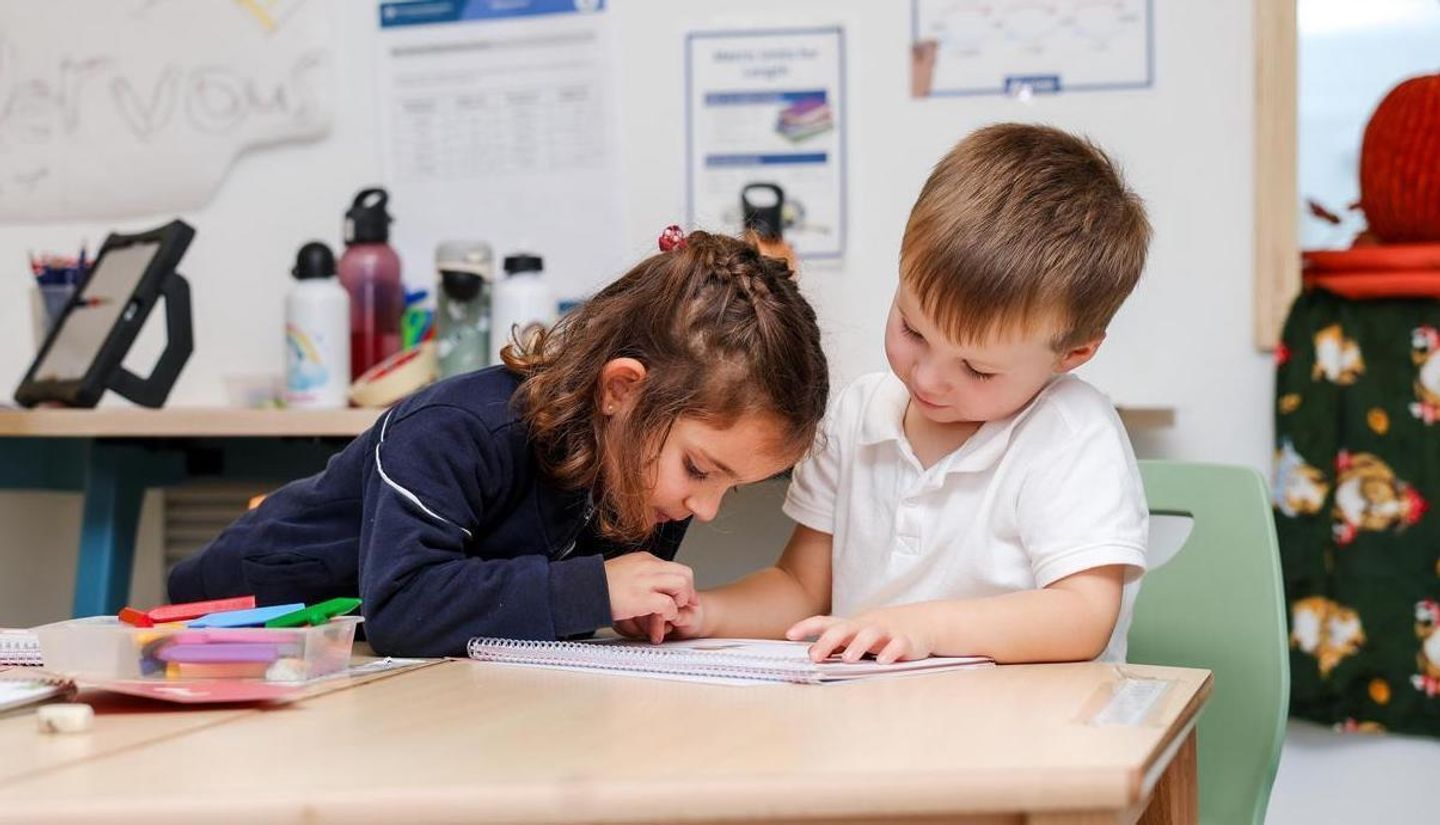
You want your child to feel confident, enjoy learning and make progress. You also want teachers who notice when something isn't clicking, recognize their potential and know when to give them an extra push.
At Brewster Madrid, learning starts with understanding what each child already knows, what interests them and how they make sense of the world. Our curriculum is grounded in Concept-Based Inquiry, an approach that encourages children to look beyond individual facts and explore the bigger ideas and connections behind what they learn. Rather than simply memorizing information, students ask questions, investigate ideas, make connections and apply their understanding in new contexts. Teachers guide this process, balancing clear instruction and demonstrations with opportunities for students to explore, discuss, solve problems and discover things for themselves.
No two children follow exactly the same path. Through ongoing assessment, teachers identify what each student needs and adapt their instruction, giving them different ways to access learning, develop their understanding and demonstrate what they know.
In practice, these are some of the ways our teachers can support learning.
Flexible learning groups
Children work with others at a similar stage, explore a shared interest or receive targeted support. These groups change as students develop.
Visual and language supports
Images, models, word banks, sentence starters and multilingual resources help children understand and express ideas.
Breaking down challenging tasks
Demonstrations, worked examples, guided practice, clear instructions and individual feedback help children tackle challenges and gradually become more independent.
Different ways to show what they know
Students demonstrate their understanding through writing, speaking, drawing, building a model or presenting an idea.
Greater depth and challenge
Independent investigations, more complex questions and opportunities to apply learning in new contexts help students extend their understanding rather than simply do more work.
This approach also helps children become active participants in their own learning. At La Moraleja, for example, students reflect on their achievements and set goals across subjects every trimester, then share their progress with teachers and families during student-led conferences.