How Schools Build Confidence and Independence in Children
By Pesh Mistry
Every parent wants their child to feel confident. But confidence isn't about always having the answer or being the loudest person in the room. Sometimes, confidence looks like raising a hand, trying something new, asking for help, or trying again after getting something wrong. Independence starts in much the same way: making small decisions, solving problems, and gradually learning to trust yourself. School plays an important role in giving children the space to develop both.
Confidence Comes From Trying
Children build confidence when they have opportunities to try, make mistakes, and try again. A supportive classroom gives students room to ask questions, take risks, and work through challenges without feeling that getting something wrong means they have failed. With time, those experiences help children become more willing to step outside their comfort zone.
Independence Starts Small
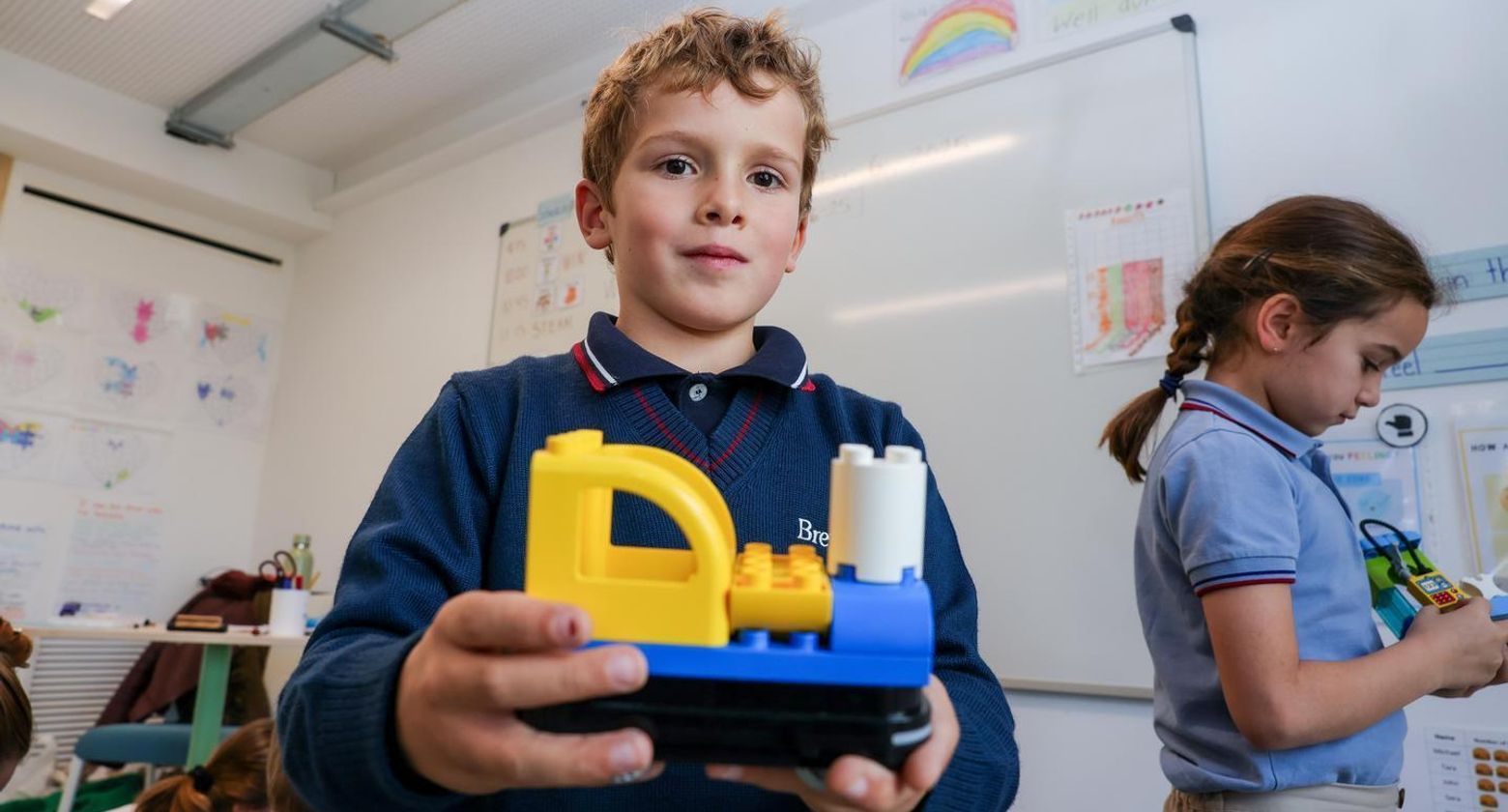
Independence doesn't develop overnight. It might begin with choosing a book, organizing their materials, or solving a problem without immediately asking an adult for the answer. As children grow, those small responsibilities become bigger. They learn to manage their time, make decisions, work with others, and take ownership of their learning. The role of a teacher isn't always to provide the answer. Sometimes, it's to give a student the right questions, support, and time to find it themselves.
Every Child Finds Confidence Differently
There is no single formula for building confidence. One child might find it through sports, another might discover it while presenting a project, conducting an experiment, creating something, or exploring a new place. What matters is giving children opportunities that challenge them at the right level.
That starts with knowing the individual child. When teachers understand a student's strengths, interests, and areas for growth, they can provide the encouragement and challenge that help them take their next step.
Learning Beyond the Classroom
Some of the most valuable opportunities to build confidence happen outside the classroom. At Brewster Madrid, Learning Expeditions give students opportunities to explore Madrid, investigate questions, and apply what they have learned in new environments. They learn to navigate unfamiliar situations, solve problems, and work with others. These experiences can lead to an important realization: I can do this.
When Children Feel Known, They Feel Ready to Grow
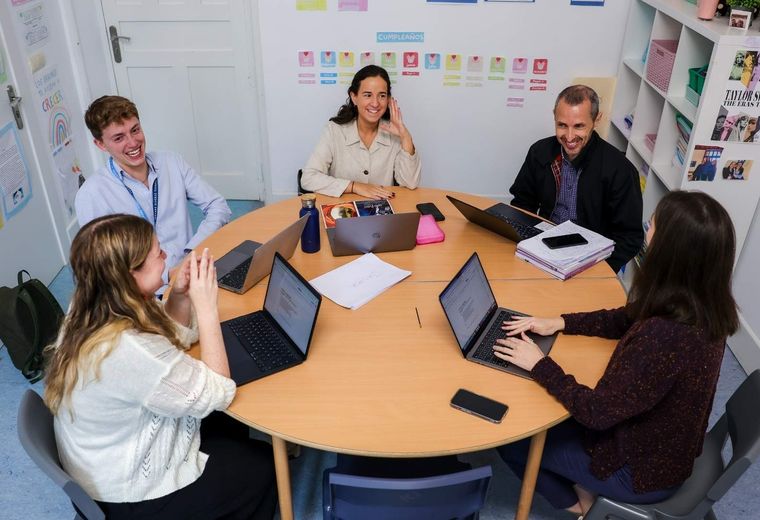
Children are more willing to take risks when they feel supported. Small classes give teachers more opportunities to understand how individual students learn, where they need encouragement, and when they are ready for a new challenge. When children know their teachers genuinely know them, trying something difficult can feel a little less daunting.
At Brewster Madrid, this close-knit approach is part of our school community across our Chamberí and La Moraleja campuses.
Preparing Children for What Comes Next
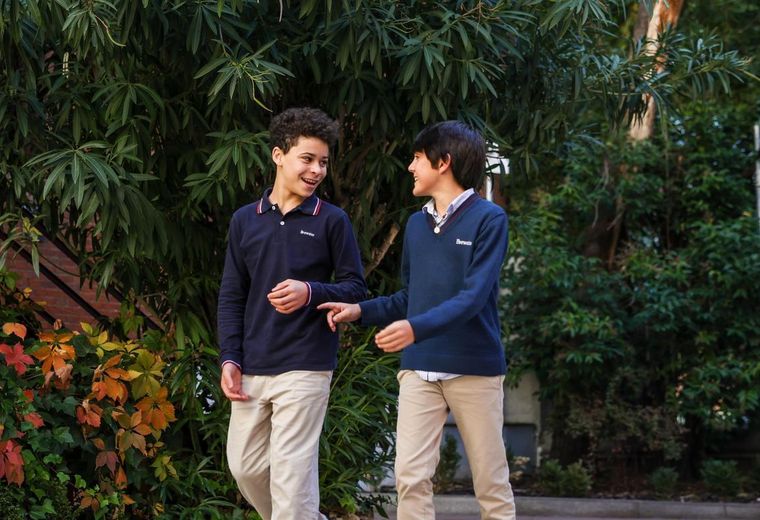
What independence looks like at age four is very different from what it looks like at fourteen. As children grow, they need increasing opportunities to make decisions, take responsibility, and understand their own strengths. With an American and IB education from ages 3 to 18, Brewster Madrid gives students opportunities to develop these skills throughout their journey. The goal isn't to make every decision for them. It's to give them the support, experiences, and confidence to eventually make more of those decisions for themselves. Because one day, children leave school and face challenges without a teacher or parent beside them. Our job is to help them feel ready.